The Impact of Weather on Asphalt Protection
Weather plays a significant role in the success of protective measures for asphalt surfaces. Temperature, humidity, and precipitation levels are key factors that can either enhance or hinder the effectiveness of treatments. Understanding these elements ensures that surfaces remain durable and intact. This awareness is especially important during the planning and application phases, providing the foundation for effective surface protection.
Why Temperature Matters
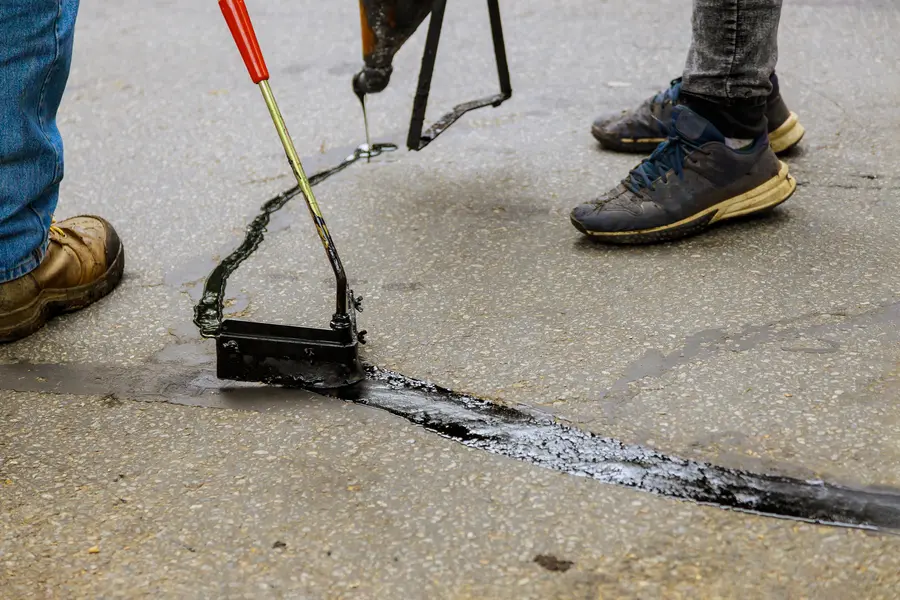
Temperature has a direct influence on the curing process of protective coatings. Ideal conditions are typically between 50 and 90 degrees Fahrenheit. If temperatures fall below this range, the coating might not adhere properly to the surface. Conversely, when it’s too hot, the material can dry too quickly, leading to cracks and an uneven finish.
Humidity’s Role in Curing
Humidity is another critical factor in ensuring that sealcoating applications are successful. High humidity can cause prolonged drying times, which may result in a sticky or incomplete cure. This situation can lead to surface imperfections and a less durable finish. It’s best to apply coatings when humidity levels are low to moderate for optimal results.
The Effect of Precipitation
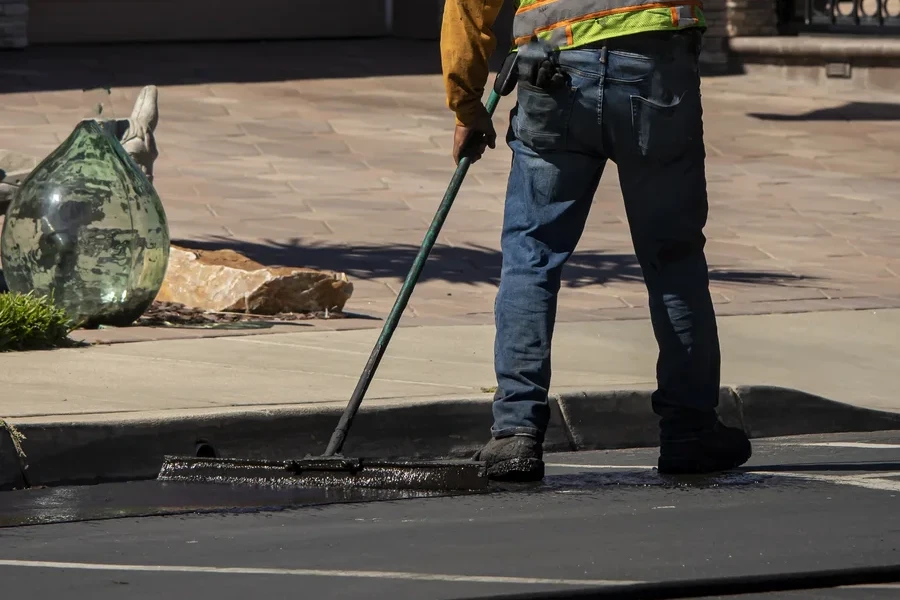
Precipitation can significantly impact the effectiveness of protecting asphalt surfaces. Rainfall before or soon after application can wash away treatments, reducing their effectiveness. Scheduling applications during dry periods is essential to allow sufficient time for curing and bonding with the surface.
The Importance of Surface Preparation
Before applying any protective layer, proper surface preparation is crucial. A clean, dry surface ensures better adherence and longevity of the treatment. This preparation includes removing dirt, debris, and existing oils that might affect the bond between the surface and the protective material.
Identifying Ideal Conditions
To maximize the effectiveness of asphalt protection, selecting ideal weather conditions is key. Several factors should be considered:
- Check local weather forecasts for temperature and precipitation predictions.
- Avoid application during extreme weather conditions such as thunderstorms or heatwaves.
- Plan applications during calm days when wind speeds are low to prevent dust contamination.
Choosing Quality Materials
The choice of materials plays a vital role in resisting adverse weather impacts. High-quality products offer better resistance against extreme temperatures and moisture, thus extending the life of the surface protection. Always select materials that are known for their durability and performance under various conditions.
Professional Application Tips
Working with professionals ensures that application techniques meet industry standards. Experts bring valuable insights into timing and method adjustments based on current weather patterns. They also have access to advanced tools that aid in precise application, resulting in a consistent and reliable finish every time.
Invest in Long-Term Protection
For businesses looking to invest in long-lasting solutions, professional services provide peace of mind. By prioritizing quality materials and expert application, you guarantee a well-protected surface that endures varying weather conditions effectively.
Conclusion: Ensuring Success With Professional Assistance
Understanding how weather affects surface protection helps in planning effective maintenance strategies. At Mullen Paving in Cumming, we specialize in providing durable solutions tailored to your needs. Our team is based in Cumming, GA and offers expert advice and services to ensure your surfaces remain protected year-round. Contact us at (470) 720-3334 to discuss how we can assist you today.